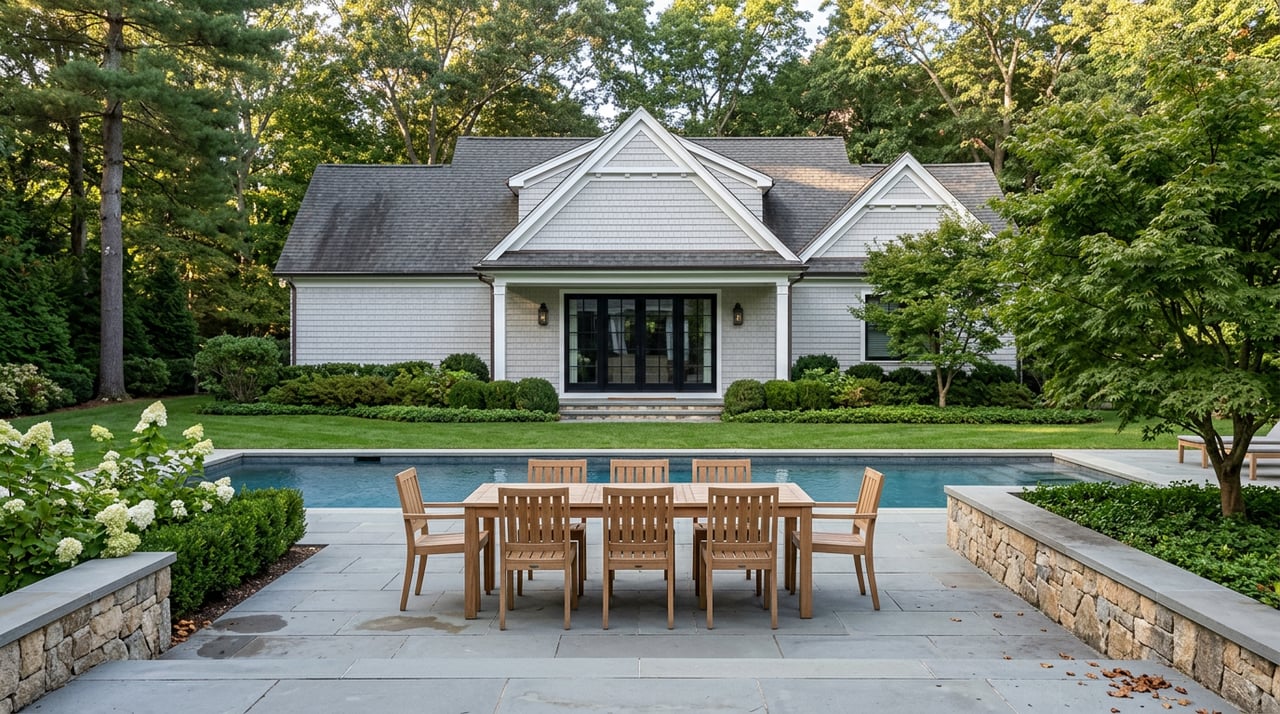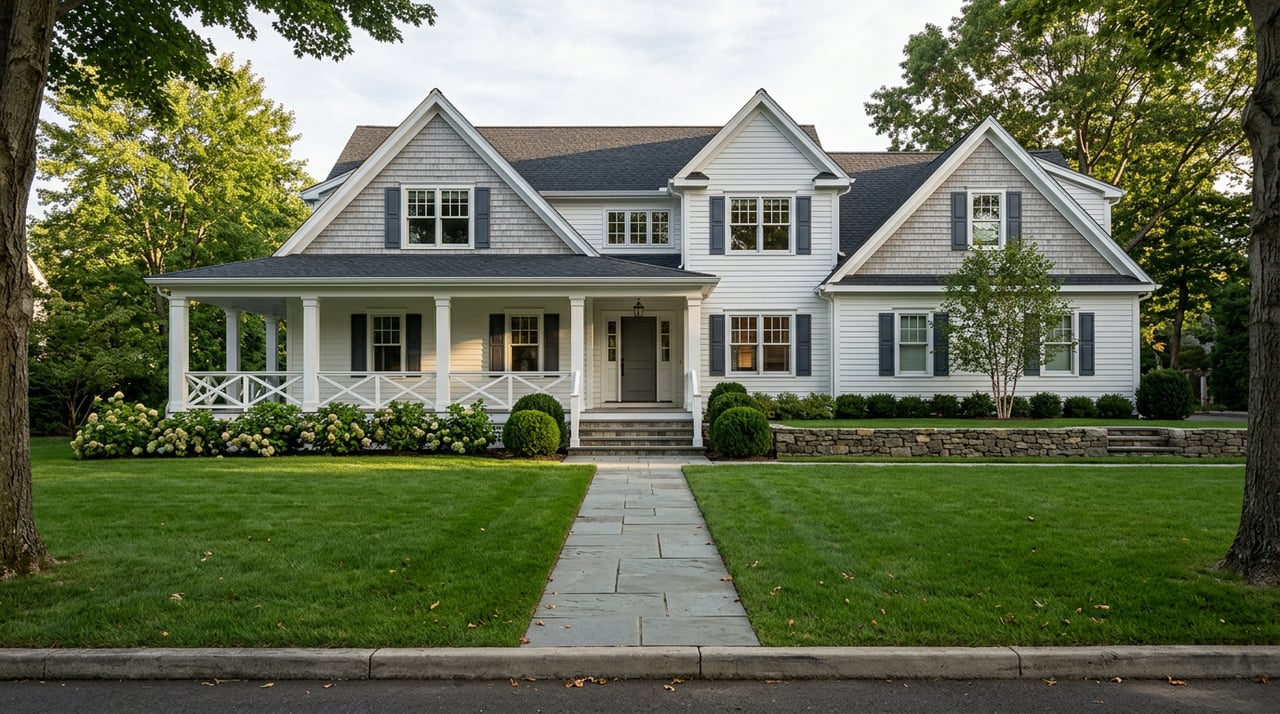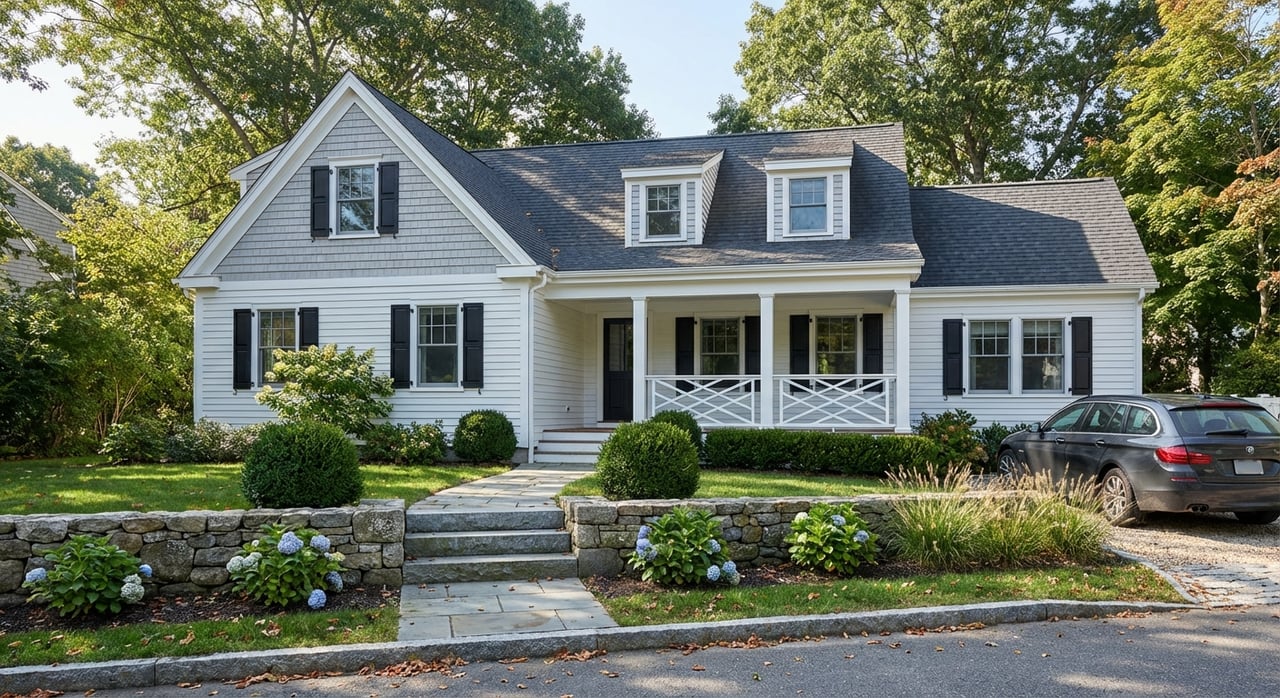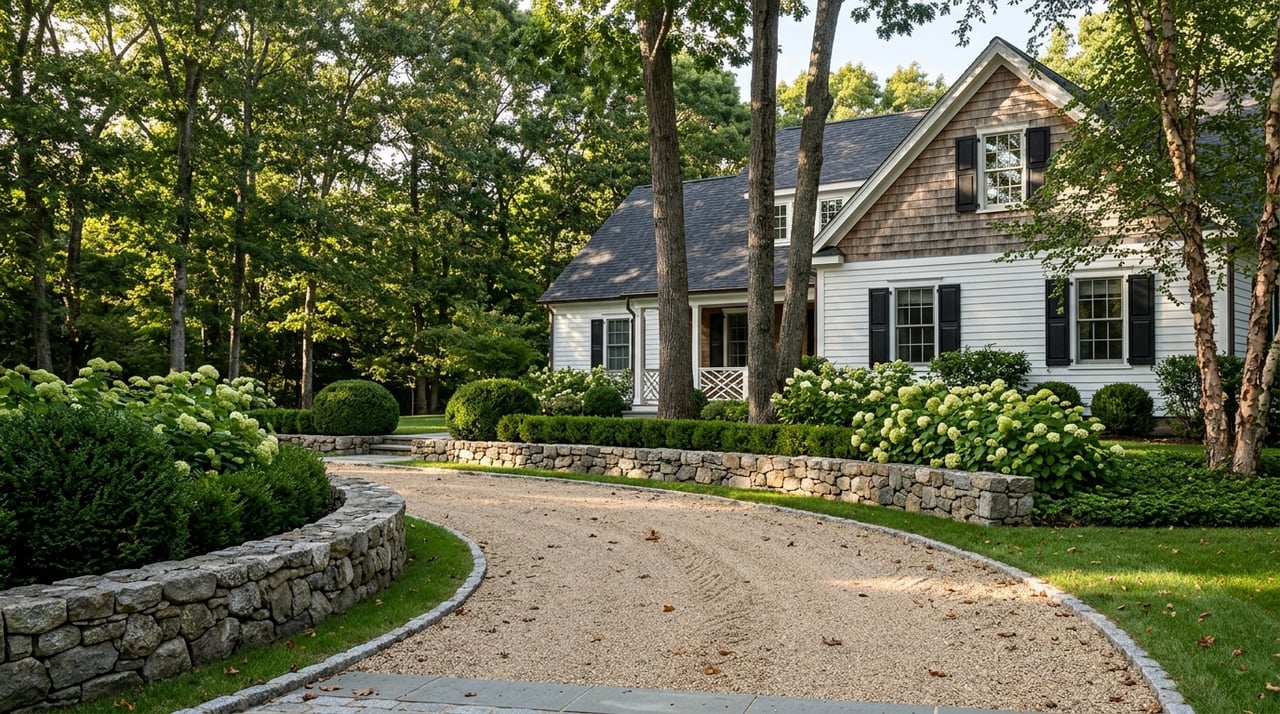
Craving more room to breathe in Westchester? North Salem stands out because privacy here is not just a feeling, it is built into the landscape, the zoning, and the town’s long-standing commitment to open space. If you are searching for acreage, a quieter setting, or a property that feels tucked away without losing access to New York City, this guide will help you understand what makes North Salem different and what to look for before you buy. Let’s dive in.
Why North Salem Feels So Private
North Salem sits in the northeast corner of Westchester County and describes itself as a 24-square-mile community known for rural charm, open spaces, riding trails, and train access to New York City. The town is about 45 miles from Grand Central Terminal and has two Harlem Line stations, which helps explain why it appeals to buyers who want more space without giving up regional access. You can learn more on the Town of North Salem overview page.
That sense of space is backed by the numbers. The 2020 Census counted 5,243 residents, giving North Salem a distinctly low-density feel compared with many other Westchester communities. This is one reason buyers often describe the town as more rural than suburban.
Land use also tells the story. According to Westchester County’s land use report, 20.98% of North Salem is classified as vacant or undeveloped land, which is a notably high share for the county. In practical terms, that means more wooded areas, more open land, and more separation between homes in many parts of town.
Open Space Shapes the Market
North Salem’s identity is closely tied to conservation. The North Salem Open Land Foundation says its mission is to preserve the town’s natural beauty and environmental integrity, and the town notes that the foundation stewards more than 1,222 acres that cannot be built on. That preservation work helps protect the visual character that many buyers are hoping to find.
The town also highlights its location within the East of Hudson watershed, one of New York’s most sensitive watershed areas. That environmental context matters because it influences how land can be used and why so much of North Salem remains protected or lightly developed. For buyers, it helps explain why privacy here often feels lasting rather than temporary.
What Housing Looks Like in North Salem
If you picture North Salem as only antique farmhouses and estate properties, the full picture is a little more nuanced. Historic homes are a meaningful part of the local housing stock, and the town’s Historic Preservation Commission works with owners of Victorian homes, colonial barns, arts-and-crafts cottages, stone structures, historic sites, and historic roads. That supports the town’s reputation for character-rich older homes.
At the same time, North Salem is not limited to one style or era. The town’s comprehensive plan references accessory apartments in primary homes, garages, cottages, and farm-worker units, along with conversions of summer and lake cottages into year-round residences. It also mentions cluster and townhouse-style developments such as Salem Chase and Salem Hunt.
There is also some newer and higher-density housing in town. North Salem’s affordable housing page notes several higher-density sites and states that Bridleside, a 65-unit all-affordable rental project on about 40 acres, has been completed. So while larger lots and older homes are a big part of the local story, buyers should expect a mix rather than a single housing type.
Acreage Matters, But Usable Land Matters More
One of the biggest mistakes buyers make is focusing only on the acre count. In North Salem, privacy is often about how the land functions, not just how much land appears on paper. A five-acre parcel can feel very different depending on topography, wetlands, tree cover, driveway placement, and where the home sits on the lot.
The town’s planning materials note that subdivision lots should be designed around the natural conditions of the property, and that open space should connect with neighboring undeveloped land or preserves when possible. They also reference options such as variable lot sizes and shared long driveways. That means two properties with the same acreage may offer very different levels of privacy and usability.
If you are searching for space, good questions include:
- How much of the lot is actually buildable or usable?
- Is the land flat, sloped, wooded, or wet?
- Does the property back up to preserved land or undeveloped acreage?
- How much privacy comes from setbacks versus natural screening?
- Is access simple year-round, especially in winter?
Zoning Supports Lower Density
North Salem’s zoning framework is one reason larger-property living is so common. The town’s bulk regulations include minimum lot areas ranging from 1/4 acre to 15 acres depending on the district or use group. That is a wide range, but it reinforces the fact that low-density development is built into many parts of the town.
The details can matter just as much as the minimums. The town also states that lots may need to be larger than the stated minimum in order to accommodate on-site water supply or sewage disposal. In other words, the legal lot size is only part of the story.
Planning materials go a step further. North Salem’s final generic environmental impact statement recommends minimum average parcel sizes between 1.6 and 3 acres in areas served by individual wells and septic systems. For buyers, this is a useful reminder that land size here often relates directly to how the property works day to day.
Wells, Septic, and Utility Questions
In North Salem, utility service is highly property-specific. The town’s water and sewer district information page lists several water districts and a Peach Lake Sewer District, which means some properties may have district-based service while others rely on private systems. Before you fall in love with a property, it is worth confirming exactly what serves that parcel.
That affects both your due diligence and your long-term ownership costs. If a home has a private well, the U.S. Environmental Protection Agency says the homeowner is responsible for maintenance and annual testing for common contaminants, as explained in the EPA’s private well guidance. Septic systems also need routine care and maintenance.
For many buyers, this is where technical guidance becomes especially valuable. A home with acreage may offer the privacy you want, but it can also come with more systems to monitor, more grounds to maintain, and more operational detail than a typical suburban lot.
Due Diligence for Land and Privacy
North Salem rewards careful buyers. The town’s Planning Board reviews site plans, subdivisions, land-disturbance applications, special permits, and wetland permits. If you are looking at a wooded parcel, a sloped lot, or a property near environmentally sensitive areas, you should expect more due diligence than you might in a conventional subdivision.
Town planning documents also note that wetlands and other sensitive natural resources can limit how much land is actually buildable. This is a major reason privacy-rich parcels are so valued here. The land that creates the feeling of seclusion may also come with important restrictions, which is why a smart search goes beyond photos and acreage figures.
Here are some of the most important questions to ask before making an offer:
- Is the home on a private well or in a water district?
- Is there a sewer connection, or does the property use septic?
- Are there wetlands, easements, or conservation restrictions?
- Does the parcel adjoin protected open space?
- Are there historic-designation considerations affecting future changes?
- How much maintenance will the driveway, land, and systems require?
Historic Character and Long-Term Appeal
Part of North Salem’s draw is that privacy does not have to mean isolation from character. The town’s preservation efforts help maintain historic roads, older structures, and the built features that give the area a distinctive look and feel. For buyers who love older homes, barns, stone elements, or period details, that can be a major part of the appeal.
It is also why evaluating a property here benefits from both local knowledge and technical insight. Older homes can offer charm and setting that are hard to replicate, but they may also bring more condition questions, site considerations, and maintenance planning. A thoughtful buying process can help you balance lifestyle goals with practical realities.
Why North Salem Stands Out
North Salem offers a rare mix in Westchester: low density, meaningful open land, preserved natural beauty, and access to New York City by rail. Its privacy comes from more than large lot lines. It comes from conservation, watershed protection, zoning patterns, and a landscape that has stayed relatively intact.
If you are looking for land, privacy, or a home that feels tucked into nature, North Salem is worth a close look. The key is understanding not just how a property looks on a listing sheet, but how it lives day to day. If you want help evaluating homes, land, and the practical details that come with larger-property ownership, Jessica Cunningham can help you navigate the search with local insight and a technical eye.
FAQs
What makes North Salem feel more private than other Westchester towns?
- North Salem combines low population density, a high share of vacant or undeveloped land, preserved open space, and lower-density zoning patterns that often create more separation between homes.
What should buyers ask about land in North Salem before making an offer?
- Buyers should ask how much of the land is usable, whether there are wetlands or easements, what utility service applies, and whether conservation or historic rules may affect future use.
What types of homes can you find in North Salem?
- North Salem includes historic homes, converted cottages, accessory-apartment properties, cluster or townhouse-style developments, and some newer higher-density housing alongside larger-lot residences.
What utility systems are common in North Salem properties?
- Depending on the location, a property may be served by a water district, the Peach Lake Sewer District, a private well, a septic system, or a combination of district and private services.
Why is usable acreage important in North Salem home searches?
- In North Salem, raw acreage does not always equal functional space because topography, wetlands, tree cover, and environmental constraints can affect privacy, access, and what part of the lot can actually be used.