Thinking about putting down roots in Armonk? You’re not alone. This small Westchester hamlet blends a charming village center with spacious properties, strong community life, and practical NYC commute options. In this guide, you’ll get a clear picture of Armonk’s neighborhoods, home styles and lot sizes, price ranges, commute patterns, and what it takes to buy with confidence. Let’s dive in.
Armonk at a glance in 2026
As of late February 2026, multiple data sources show Armonk as a high-demand, higher-price market compared with national and regional averages. Zillow’s local index places the average home value around $1.61 million as of February 28, 2026. Redfin’s compete score labels the market very competitive, and their snapshot shows many homes going pending in about 24 days. Homes.com’s 12‑month view puts the median sale price around $1.68 million, with a median lot size near 66,211 square feet, or about 1.5 acres, and a median year built around 1960. ATTOM’s data indicates an effective 2025 property tax rate of roughly 1.46 percent for the area.
Published medians often vary because they draw from different time frames, include list prices vs. closed sales, or focus on smaller geographies. Use these figures as a realistic band, then verify live numbers before you offer.
Neighborhoods by lifestyle fit
Armonk is a hamlet in the Town of North Castle. You’ll find a spectrum of settings, from walkable village blocks to multi‑acre estates. Start by matching your day‑to‑day lifestyle with the right pocket.
Walkable village and town center
If you want cafes, restaurants, and errands close by, focus on the streets around Main Street and Armonk Town Center. Expect smaller lots, some historic homes, and classic colonials. Inventory here is limited, and updated homes near the center often draw quick interest.
Near parks and schools: Wampus and Lombardi
Close to Wampus Pond and Lombardi Park, this area attracts buyers who value access to parks and short drives to schools and town fields. You’ll see a mix of mid‑century homes and renovated colonials, with lot sizes that vary street by street.
Whippoorwill and the east side
If privacy and club adjacency are priorities, the Whippoorwill area on the east side offers larger lots and proximity to private club amenities. Many homes here sit on more acreage with higher price points, including stone or Tudor‑influenced architecture and newer custom builds.
Estate pockets farther out
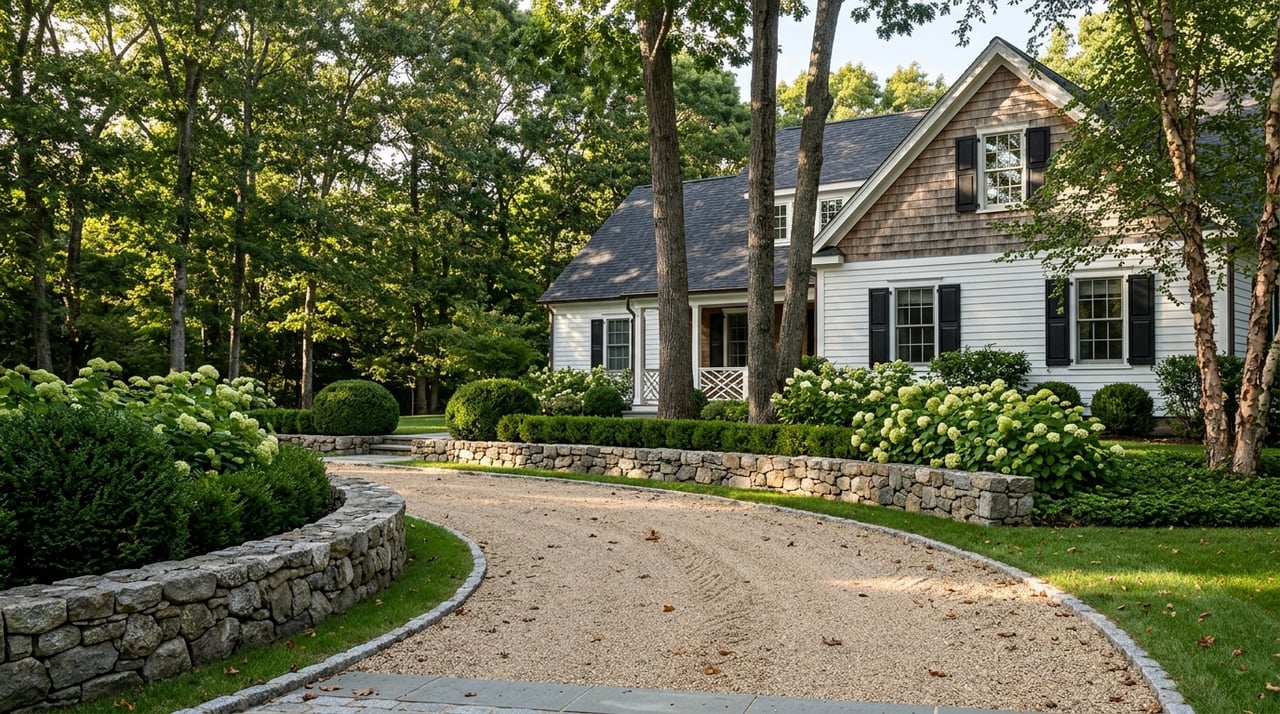
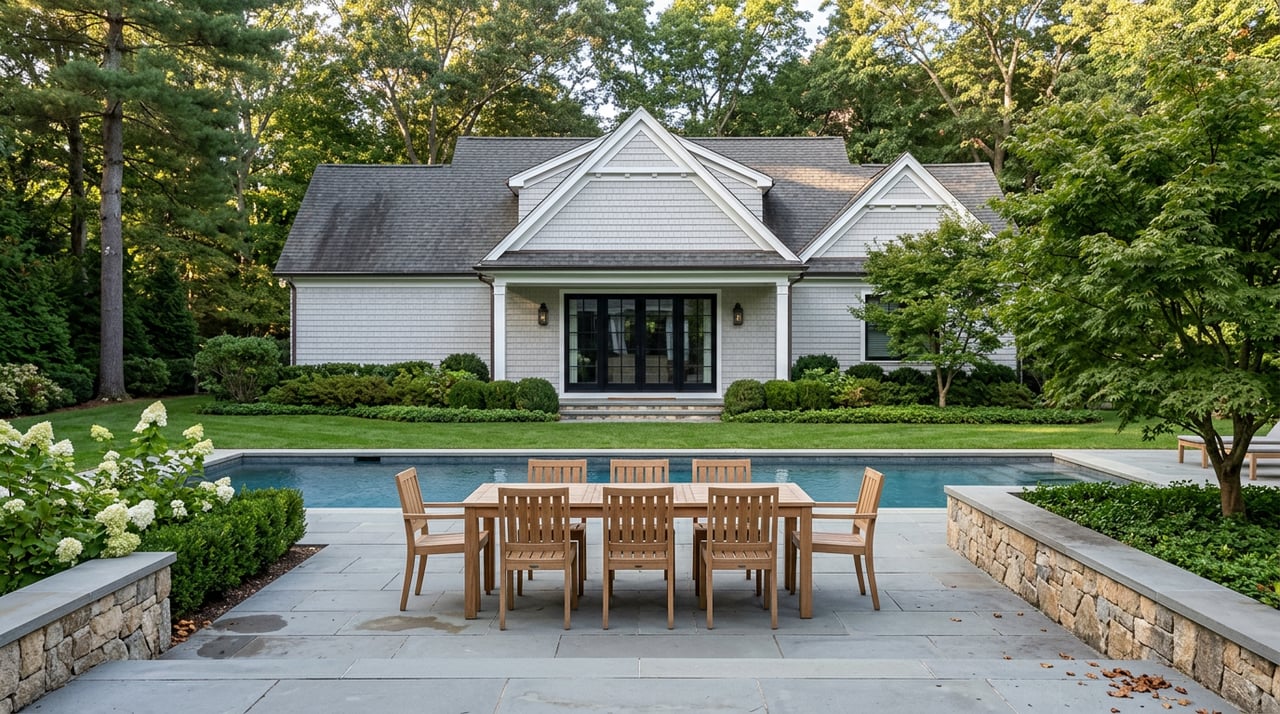
On roads like Wrights Mill and Faraway, you’ll encounter multi‑acre properties and custom estates. These listings set the upper end of Armonk’s price spectrum and often feature extensive outdoor living spaces, pools, and long driveways.
IBM corridor and business‑park fringe
Near Business Park Drive and Route 128, you’ll find a practical base for professionals who value proximity to nearby corporate campuses. Expect a mix of single‑family homes and subdivisions with convenient access to major routes.
What homes look like in Armonk
Armonk’s housing stock leans traditional with a healthy dose of modern updates.
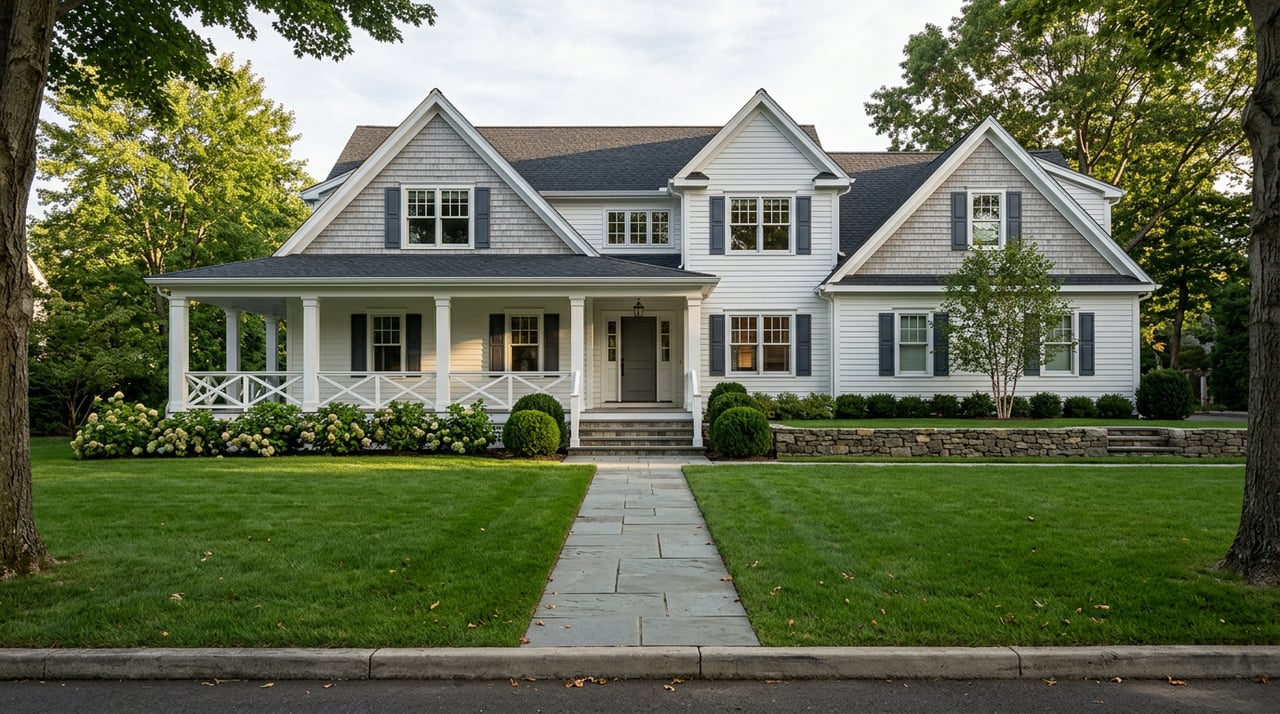
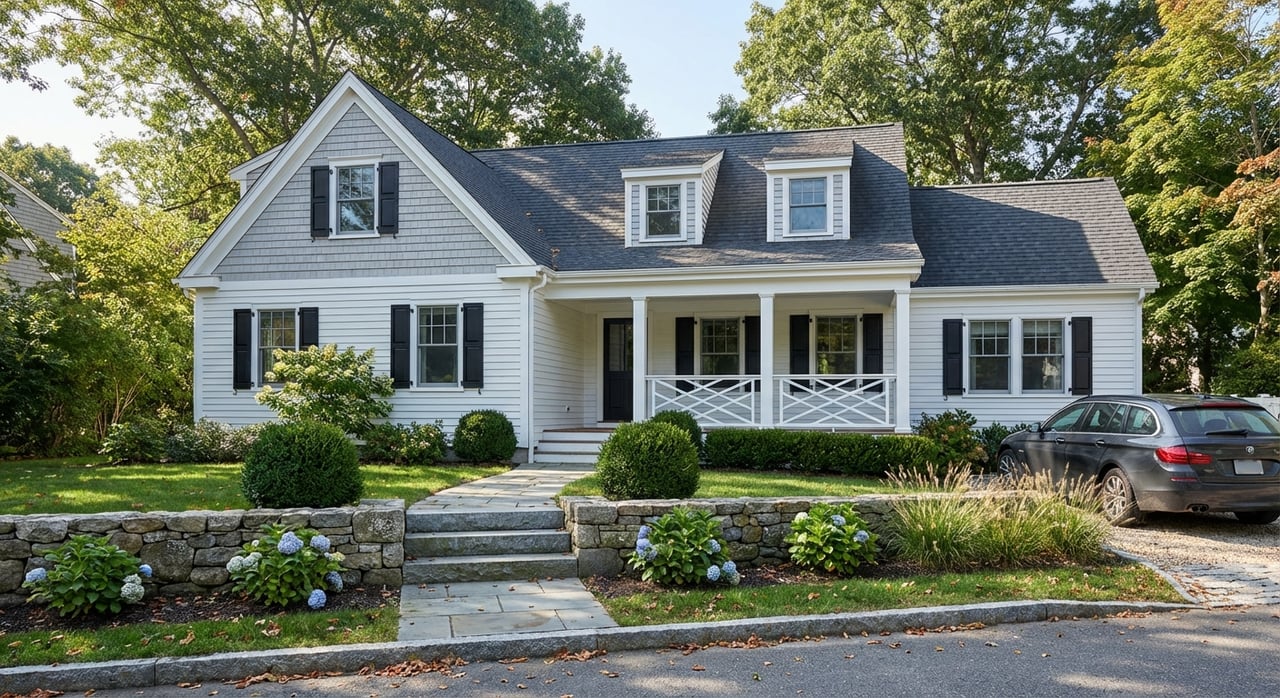
- Common styles: colonials are the most prevalent, with Tudors and stone houses in higher tiers. You’ll also find ranches and split‑levels, plus renovated modern colonials and contemporary builds in newer listings.
- Typical sizes: the median lot size is about 1.5 acres, and many homes are larger than the national average, often 3,200 to 3,700 square feet or more. Space and acreage help explain local pricing.
- Age and updates: many homes date to the post‑1950 era, with a steady stream of renovations. Some are turnkey; others need modernization, especially mechanicals and exteriors on larger lots.
- Features that move quickly: upgraded kitchens with high‑end appliances, finished basements and flex rooms, outdoor decks, cul‑de‑sac locations, and privacy/acreage tend to correlate with stronger buyer demand.
Price ranges and what you get
The bands below reflect what buyers commonly see. Exact numbers can swing month to month.
Entry options under $900K
You’ll mostly find smaller colonials, townhomes, or occasional compact downtown houses when they appear. Inventory is limited at this level, so expect competition for well‑located, updated listings.
Primary move‑up: $900K to $2M
This is the heart of the single‑family market: 3 to 5 bedrooms, renovated interiors, and moderate acreage. Many buyers land here for a balance of space, updates, and proximity to schools and town amenities.
Luxury and estates: $2M and up
Multi‑acre estates, architect‑designed homes, and expanded or newly built properties populate this tier. Active listings at the top end can skew published medians higher than what the middle of the market is doing.
Why numbers differ: in a small, low‑volume market like Armonk, a handful of high‑end listings or closings can swing the median. Use current closed data rather than only active list prices when you calibrate your offer.
Commute and transit tips
Armonk does not have its own Metro‑North station. Most commuters drive to North White Plains or White Plains on the Harlem Line. Many locals consider North White Plains an approximately 10‑minute drive from the hamlet, with express trains to Grand Central in roughly 33 to 40 minutes depending on the train. Always test your actual door‑to‑desk timing during peak periods, including parking and platform waits.
Westchester County’s Bee‑Line Route 12 provides bus service between Armonk and White Plains. You can review the most current details in the county’s published Route 12 schedule.
Schools and education
The Byram Hills Central School District serves Armonk and is a key driver for many buyers. District materials highlight strong academic outcomes, small class sizes, and ongoing capital investment. For a factual overview, see the district’s published school profile. Always verify the exact school assignment for any property address with the district.
How competitive is it right now?
Recent indicators show a split picture that matters for your strategy. Homes that match what most buyers want still move quickly, with some snapshots showing pending in around 24 days. At the same time, some aggregators report a higher months‑supply figure, closer to a balanced tempo in select segments. The takeaway: if a home checks the boxes on location, commute, updates, and privacy, be ready to act decisively; if it does not, you may have room to negotiate.
Buyer checklist for Armonk
Use this quick list to stay focused as you tour homes.
- Financing first: get a strong pre‑approval or proof of funds. Sellers expect it before serious showings or offers.
- School verification: confirm district and elementary assignment for your target address through Byram Hills. Start with the district’s school profile and contact the district for boundary questions.
- Test the commute: do at least two trial runs during rush hour. Include time to park and board. If you plan to use the bus, check the Route 12 schedule.
- Taxes and carrying costs: Westchester taxes are a meaningful part of your monthly budget. Use ATTOM’s effective 2025 tax rate benchmark near 1.46 percent to model scenarios, then review the current tax bill for any property you pursue. You can reference ATTOM’s Armonk data as a starting point.
- Condition and systems: with many homes built around the 1960s, pay close attention to roofs, heating, electrical, and windows. On larger lots, add exterior drainage, retaining walls, and driveway condition to your list. Confirm septic or sewer status.
- Value drivers: updated kitchens and baths, finished basements, flexible office space, private lots, decks or pools, and cul‑de‑sac locations typically boost demand.
Offer strategy that works
When you find the right fit, a clean, confident offer can help you stand out without overreaching on price.
- Be decisive: schedule a second look the same day and finalize terms quickly if the home matches your priorities.
- Calibrate price to recent closed sales: look beyond list prices and use the latest closed data to guide your limit.
- Tighten where you can: consider flexible closing timelines, a strong earnest deposit, and focused contingency windows. Never waive essential inspections without a clear risk plan.
- Use inspection intelligence: older systems and larger sites can hide costly surprises. An inspection‑informed walk‑through before offering can help you price risk and avoid regret.
Next steps
Buying in Armonk is part market knowledge and part lifestyle fit. If you want a walkable village home, a near‑school location, or a private estate with room to spread out, you have options. Pair that with a clear plan for taxes, commute, and property condition, and you’ll be set to make a confident move.
If you’d like a local, inspection‑informed strategy for touring, comparing neighborhoods, and crafting strong offers, reach out to Jessica Cunningham. Jessica brings 25+ years in Northern Westchester and a licensed New York State home inspector credential to help you reduce risk and buy the right home.
FAQs
What is the typical home price in Armonk in 2026?
- Multiple sources place the market around the mid‑$1 million range, with Zillow’s index near $1.61 million and a 12‑month median sale price around $1.68 million; verify current figures before you offer.
How long is the commute from Armonk to NYC?
- Many residents drive about 10 minutes to North White Plains, then take Harlem Line express trains roughly 33 to 40 minutes to Grand Central; always test your full door‑to‑desk time.
What lot sizes are common in Armonk?
- A median lot size near 66,211 square feet, about 1.5 acres, is common, with a spectrum from smaller village parcels to multi‑acre estates farther from the center.
Which school district serves Armonk and how do I check an address?
- The Byram Hills Central School District serves Armonk; review the district’s school profile and contact the district directly to confirm the specific school assignment for an address.
Are property taxes high in Armonk and how should I budget?
- Westchester taxes are a significant carrying cost; ATTOM reports an effective 2025 rate around 1.46 percent locally, but you should review the current tax bill and any levies for the specific property.
Is Armonk a competitive market, and how can I win a bid?
- Yes, well‑priced, updated homes in prime locations often move quickly; a strong pre‑approval, fast decision‑making, inspection‑informed due diligence, and calibrated terms can improve your odds without overpaying.