Selling in Briarcliff Manor can move faster than many homeowners expect. In a market where homes often attract strong interest quickly, the biggest advantage is not doing more work. It is doing the right work before you list. If you want to reduce surprises, protect your negotiating position, and help buyers see the value of your home right away, a smart prep plan can make all the difference. Let’s dive in.
Why prep matters in Briarcliff Manor
Briarcliff Manor offers a setting many buyers already find appealing, with its historic character, open space, and tree-lined village feel, along with commuter access through the Scarborough Metro-North station and major roadways. That means your goal is usually not to reinvent your house. It is to present it as well cared for, functional, and consistent with the character buyers expect here.
Timing matters too. According to Redfin’s Briarcliff Manor housing market data, homes sell in about 24.5 days on average, and many receive multiple offers. In a fast-moving market like this, buyers may move quickly, but they still pay close attention to condition, deferred maintenance, and anything that could become a negotiation issue later.
Fix these issues first
If you are deciding where to spend money, start with problems that affect function, safety, moisture, or buyer confidence. These are the items most likely to come up in disclosures, inspections, and contract discussions.
New York’s Property Condition Disclosure Statement highlights many of the categories buyers care about most, including flooding, water penetration, rot, fire or smoke damage, pests, heating systems, and the hot water heater. The form is based on your actual knowledge and is not a substitute for inspections, which is exactly why pre-listing preparation matters.
Prioritize condition over cosmetics
Before spending on decorative upgrades, focus on visible or active issues such as:
- Roof leaks or signs of past water intrusion
- Basement moisture or drainage problems
- Plumbing leaks under sinks or around fixtures
- HVAC systems that are not working properly
- Aging or malfunctioning water heaters
- Pest activity or evidence of infestation
- Rot, damaged trim, or deteriorated caulk
- Smoke or fire-related damage that was never fully addressed
These repairs do more than improve appearance. They help you avoid the kind of inspection findings that can lead to credits, price reductions, or buyer hesitation.
Gather records as you go
As you fix items, keep documentation organized. Repair receipts, service invoices, permit paperwork, and certificates of occupancy can help answer buyer questions clearly and quickly.
That is especially helpful in a village with many older and character-rich homes, where buyers often want to understand what was updated, when it was done, and whether approvals were obtained. A paper trail can make your home feel more move-in ready and less risky.
Walk your home like an inspector
One of the best ways to prepare for sale is to view your house with fresh eyes and a practical checklist. Instead of asking, “What should I decorate?” ask, “What would a buyer or inspector notice in the first 15 minutes?”
A solid pre-listing walk-through should include the same categories emphasized by the state disclosure form. This gives you time to address concerns before they become negotiation points.
Areas to check before listing
Walk through these spaces carefully:
- Roof and attic: look for stains, active leaks, missing shingles, or poor ventilation
- Basement: check for dampness, musty odors, cracks, or signs of prior seepage
- Under sinks: look for slow leaks, water staining, or damaged cabinetry
- Heating and cooling systems: confirm they are operating properly and recently serviced
- Water heater: note age, condition, and any signs of corrosion or leakage
- Exterior drainage: watch for standing water, clogged gutters, or downspouts draining too close to the house
- Caulk and paint: repair obvious wear around tubs, windows, and trim
- Pest evidence: look for droppings, wood damage, or nesting signs
If your home was built before 1978, the state disclosure materials also note lead-based paint caution for buyers. Having maintenance records and upgrade information ready can help support a smoother conversation during due diligence.
Know when permits matter
In Briarcliff Manor, permit history can be just as important as visible condition. The village states that most alterations require a building permit or related approval, including many projects homeowners might assume are minor.
Examples listed by the village include kitchen and bath renovations, roof replacement, basement finishing, decks and patios, HVAC replacement, oil tank removal, window replacement, solar panels, and additions. The Building & Engineering Department also oversees building, plumbing, electrical, occupancy-related applications, zoning, and tree-law restrictions.
What this means for sellers
Before listing, take time to review any past work completed on the home. Ask yourself:
- Was a permit required?
- Was one issued?
- Was the work signed off?
- Do I have final paperwork available?
If the answer is unclear, it is better to sort that out early. Permit questions can slow a deal, especially when a buyer is already moving quickly and wants confidence that the home’s improvements were handled properly.
Make smart updates, not oversized ones
In a competitive market, it is tempting to think a major remodel is the key to a better sale. In most cases, that is not the best use of your time or budget right before listing.
Briarcliff Manor’s appeal often comes from charm, setting, and established architectural character. Clean presentation and thoughtful updates usually matter more than trendy finishes that may not suit the home or its surroundings.
Focus on high-impact, light improvements
According to the 2025 NAR staging report, the most common seller recommendations were decluttering, whole-home cleaning, and curb appeal improvements. The same report found that 83% of buyers’ agents said staging made it easier for buyers to visualize a property as a future home, and 29% said staged homes saw a 1% to 10% increase in the dollar value offered.
That points to a practical strategy:
- Deep clean the entire home
- Remove excess furniture and personal items
- Refresh worn paint in simple, neutral tones
- Improve lighting by replacing dim bulbs and opening window coverings
- Tidy landscaping and define entry areas
- Repair minor trim, hardware, and visible wear
These updates help your home feel brighter, cared for, and easier to picture living in, without overcapitalizing.
Stage the rooms that matter most
If you do invest in staging, start where buyers tend to focus first. The same NAR report on staging identified the living room, primary bedroom, and kitchen as the most important rooms to stage.
That matters because you do not need to perfect every corner of the house to make a strong impression. Buyers often form their overall opinion based on a few key spaces.
Where to spend your staging budget
Concentrate your effort on:
- Living room for flow, scale, and everyday livability
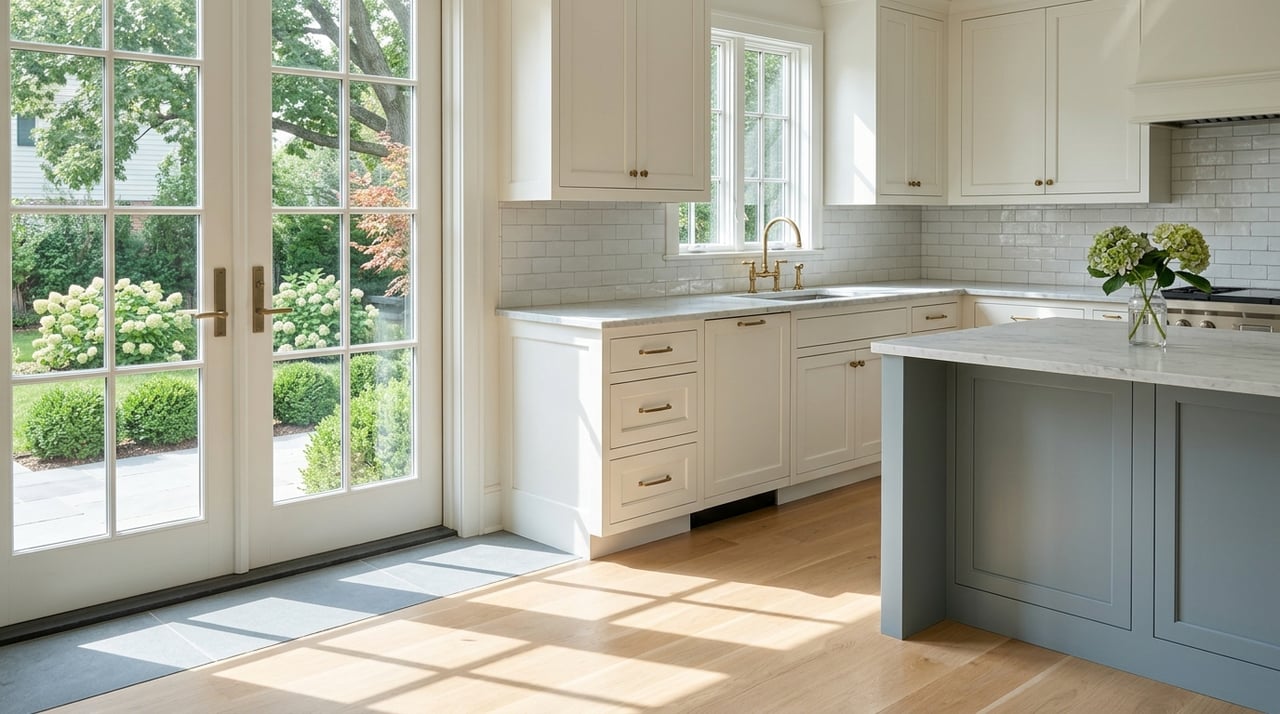
- Kitchen for cleanliness, function, and visual simplicity
- Primary bedroom for comfort and calm
- Front entry and exterior for first impressions
The median staging service cost in the NAR report was $1,500, which can be a reasonable investment when used strategically. Even if you do not hire a stager, using these priorities can help you decide where to edit, rearrange, and refresh.
Curb appeal should feel polished and natural
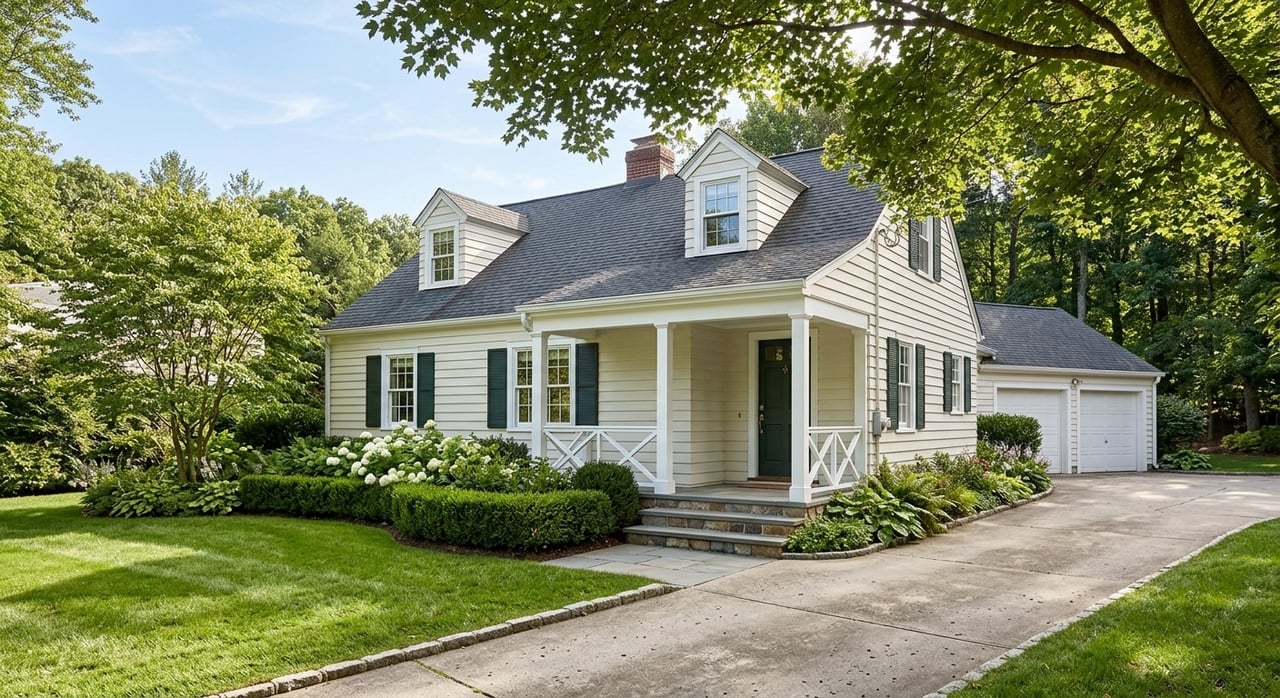
First impressions begin before buyers reach the front door. In Briarcliff Manor, where the village places attention on appearance, landscaping, and compatibility with surrounding sites, exterior presentation should feel polished but not overdone.
For many homes, the best curb appeal updates are simple and consistent with the property’s character. Think maintained, not manufactured.
Easy exterior improvements
- Edge and tidy planting beds
- Prune overgrown shrubs from windows and walkways
- Reseed or patch sparse lawn areas
- Clean the front steps and entry path
- Touch up peeling paint on trim or railings
- Replace worn house numbers, mailbox hardware, or exterior lighting if needed
- Remove seasonal clutter and store bins, hoses, and tools out of sight
If your home has distinctive period details, highlight them through cleaning and repair rather than covering them up. Buyers are often drawn to authenticity when it feels well maintained.
Decide what can wait
Not every imperfection needs to be fixed before you sell. The key is knowing the difference between a manageable cosmetic issue and a problem that creates doubt.
In a market that remains competitive in both Briarcliff Manor and Westchester County overall, some buyers will accept minor aesthetic flaws. They are far less forgiving of signs that a home may have hidden maintenance, moisture, or permit concerns.
Usually worth fixing now
- Active leaks n- Water damage or staining
- Broken systems or appliances that are expected to work
- Pest issues
- Unsafe steps, railings, or loose flooring
- Permit or occupancy gaps tied to major work
Often okay to leave alone
- Dated but functional finishes
- Minor surface scratches or normal wear
- Older countertops if clean and in good condition
- Rooms that feel plain but are orderly and bright
A smart sale prep plan is a triage model. Fix what threatens value or confidence first, then use presentation to elevate the rest.
Prep for a smoother negotiation
The goal of pre-listing work is not perfection. It is fewer surprises and better leverage once offers come in.
When buyers feel they understand a home’s condition, they are more likely to write confidently and negotiate from a smaller list of concerns. When they discover issues late, even a strong offer can shift quickly during inspection.
What helps deals stay on track
Before going live, try to have these ready:
- Utility and system service records
- Receipts for recent repairs and maintenance
- Permit and approval paperwork for major updates
- Notes on roof, HVAC, water heater, and other key systems
- A clear understanding of any known defects you will disclose
This is where an inspection-informed strategy can really pay off. A thoughtful prep process helps you enter the market with clarity, answer questions faster, and protect your position once buyers start digging into the details.
If you are getting ready to sell in Briarcliff Manor, the best first step is a focused plan based on condition, presentation, and local expectations. With the right guidance, you can avoid overspending, prioritize the updates that matter most, and bring your home to market with more confidence. If you want expert, inspection-informed advice on where to invest before listing, connect with Jessica Cunningham for tailored guidance and your free home valuation.
FAQs
What should sellers fix first before listing a Briarcliff Manor home?
- Start with active leaks, water or moisture issues, broken mechanical systems, pest concerns, and any visible defects that could raise red flags during a buyer inspection.
Do Briarcliff Manor home improvements need permits before selling?
- Many do. The village says most alterations require permits or related approvals, including work like roof replacement, kitchen and bath renovations, basement finishing, decks, HVAC replacement, and window replacement.
Is staging worth it for a Briarcliff Manor home sale?
- Often, yes. NAR reports that staging helps buyers visualize a home more easily, can increase offers, and may reduce time on market, especially when focused on the living room, kitchen, and primary bedroom.
What paperwork should Briarcliff Manor sellers gather before listing?
- Try to collect repair receipts, maintenance records, permit documents, and certificates of occupancy for major work so you can answer buyer questions quickly and support a smoother transaction.
Do New York sellers need a Property Condition Disclosure Statement?
- Yes, beginning July 1, 2025, the state requires the Property Condition Disclosure Statement for one- to four-family residential properties, with some exclusions such as condominiums and cooperative apartments.
Should sellers remodel before listing a home in Briarcliff Manor?
- Usually, major remodeling is not the first move. In many cases, it makes more sense to fix condition issues, complete a deep clean, declutter, and make light updates that support the home’s existing character.